
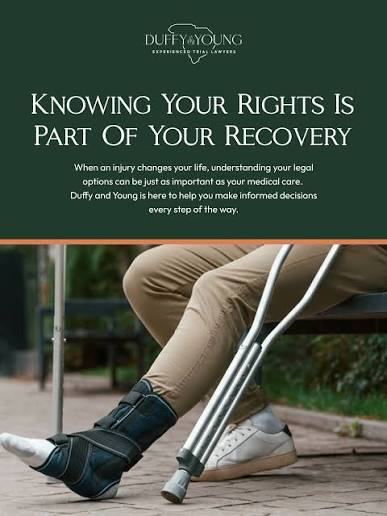
An unexpected injury can turn an ordinary day into a difficult and uncertain period. Whether the injury happens in a car accident, at a business, at work, or because of someone else’s actions, the consequences can extend far beyond the initial pain. Medical appointments, lost income, damaged property, and emotional stress can quickly become overwhelming.
Knowing what to do after an injury can help you protect your health and understand your options.
Focus on Your Health First
After an accident or injury, medical care should be the first priority. Some injuries are obvious immediately, while others may take hours or even days to become noticeable. Even if your symptoms seem minor, getting evaluated by a medical professional can be important.
Follow your doctor’s instructions and keep records of appointments, prescriptions, treatments, and related expenses. These records can help establish the nature of your injuries and the treatment you received.
Do not ignore symptoms simply because you believe they will eventually disappear. Delaying medical attention can make your recovery more difficult and may complicate an insurance or legal claim later.
Document What Happened
Good documentation can make a significant difference when trying to determine what happened and who may be responsible. Take photographs of visible injuries, damaged property, accident scenes, or hazardous conditions when possible.
Keep copies of medical bills, receipts, repair estimates, pay records, and correspondence with insurance companies. If there were witnesses, write down their names and contact information.
It is also useful to write down your own recollection of the incident while the details are still fresh. Memories can change over time, particularly when a case takes months to resolve.
Dealing With Insurance Companies
After an injury, an insurance company may contact you about the incident. You should provide accurate information, but be cautious about making statements that could be misunderstood or taken out of context.
Avoid guessing about details you do not remember. You should also be careful about discussing the full extent of your injuries before you know how your recovery will progress.
An initial settlement offer may seem attractive when medical bills are arriving and you are unable to work. However, accepting an offer may affect your ability to seek additional compensation later. Understanding the full value of your losses before agreeing to a settlement is important.
When Legal Advice Can Help
Not every injury requires a lawsuit. Some claims can be resolved through insurance negotiations without going to court. However, more complicated cases may involve disputed responsibility, serious injuries, significant financial losses, or an insurance company that refuses to offer fair compensation.
In these situations, speaking with a personal injury lawyer can help you understand your rights and available options. An attorney can review the circumstances of the injury, examine supporting evidence, communicate with insurance companies, and help determine an appropriate course of action.
Legal advice can be particularly valuable when the injury has affected your ability to work or requires long-term treatment.
Understanding Your Potential Losses
The financial impact of an injury is not always limited to the first medical bill. Depending on the circumstances, losses may include ongoing medical treatment, rehabilitation, lost wages, reduced earning ability, property damage, and other accident-related expenses.
There can also be non-financial consequences, such as ongoing pain or limitations that affect everyday activities.
Because every case is different, determining what compensation may be available requires looking at the specific facts and applicable law.
Protecting Yourself After an Injury
An injury can leave you feeling powerless, especially when you are also dealing with financial pressure and uncertainty about the future. Taking sensible steps early can help you regain some control.
Get appropriate medical care, keep detailed records, preserve evidence, and be thoughtful about what you say to insurance representatives. If the circumstances are complicated or your losses are significant, consider obtaining legal advice before accepting a settlement or making important decisions.
The right approach will depend on the details of your situation, but acting carefully from the beginning can make it easier to protect your interests while you focus on recovering.
