
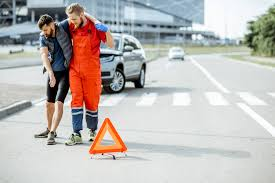
Tampa’s streets are constantly active, with pedestrians moving through downtown areas, residential neighborhoods, and busy intersections alongside steady vehicle traffic. Walking is a routine part of life for many residents, whether commuting, running errands, or enjoying the city’s outdoor spaces. Unfortunately, the combination of heavy traffic and distracted driving means pedestrian accidents remain a serious concern. Being struck by a vehicle can leave someone disoriented, injured, and unsure of what steps to take next, especially in the critical moments following the impact. Responding promptly can safeguard your health and legal rights.
Residents of Tampa are better equipped to act decisively in times of crisis when they are aware of pedestrian safety and what to do right away after being struck. The actions you take in those initial moments often influence your recovery and future claims. With guidance from Brooks Law Group, injured pedestrians can better navigate the aftermath, seek accountability, and focus on healing while their legal options are carefully protected.
List of Things to Do Just After Accident
If you, or someone you know, has got hit by a pedestrian accident, the following list of activities will help you carefully navigate through each aspect of the accident.
- Assess the Situation Calmly
Taking a couple of moments to breathe deeply after an incident calms the mind. This pause allows clear thinking. Do not jerk around and cause any more harm. Use your senses to make sure you are not in immediate peril, e.g., running toward an oncoming car or some other danger.
- Check for Injuries
Check your body for any signs of pain, bleeding, or discomfort. Certain injuries, such as a fracture or head trauma, may not be immediately apparent. Do not stand up if you are dizzy or weak. If movement is painful or difficult, stay still and wait for help.
- Get to a Safe Place if You Can
However, if you are not experiencing severe pain or a risk of spinal injury, it is advisable to move off the side of the road. Make yourself noticeable and locate a spot away from traffic. If you hang around where it’s dangerous, you are just inviting more trouble. Always prioritize safety over convenience.
- Call for Emergency Assistance
Contact emergency services immediately. Call from a telephone or request assistance from an onlooker. Tell the dispatcher where you are and what you can see in a short and concise manner. If you are unable to call for help, gesture and call loudly. Seeking medical attention when necessary can prevent some complications.
- Gather Information from the Scene
Note the vehicle’s color, type, and license number. Try to capture pictures of the scene, vehicle, and your injuries if you can. Collect these details without confrontation. Get the names and contact information of any witnesses. Witness accounts support your report.
- Do Not Take Responsibility Or Engage In An Argument
Do not enter into the blame game with the driver or witnesses, so stay calm. Accidents often evoke strong emotions. Please allow investigators to handle the sorting of statements, victims, and those responsible. A scene argument only complicates things and rarely does any good.
- Seek Medical Attention Promptly
See a health care provider soon after the incident, even if injuries seem harmless. Certain conditions, like internal bleeding or concussions, may not be immediately apparent. Your injuries are also recorded in medical records to be used in the future. Early intervention might improve recovery from these injuries and can help prevent long-term outcomes.
- Report the Incident to Authorities
Report it to local law enforcement on time. Give exact details about the incident, including the time, place, and people involved. An accident and police report assist with filing for your insurance. Remember to have a printed version of the report with you.
read more : What is PET Injection Molding?
- Document Everything Carefully
Enter a detailed log of events. Write down what you remember as soon as everything is over, which could be minutes or even hours later. Facts about injuries, medical care, and discussions between officials and witnesses should all be included. Save all of your treatment-related receipts, prescriptions, and medical bills.
- Inform Your Family or Friends
Talk to trusted people about the story. Having family or friends around can help relieve stress and assist with your needs once you recover. They might also give you practical assistance, like getting you around or handling paperwork.
- Follow Your Doctor’s Advice
Adhere strictly to medical instructions. Follow prescribed medications and follow-up appointments. Rest is necessary, as recovery takes time. Inform your doctor of the new pain’s symptoms so they can improve your care.
- Monitor Your Emotional Well-being
Injuries often bring about trauma, which may result in anxiety or sleeplessness in some people after the accident. If you are overwhelmed, then reach out for professional help. Individual and group counseling offer healing and understanding.
- Contact Your Insurance Provider
Inform your insurance provider about the incident as soon as possible. Attach any relevant documents, such as the police report or your medical records. Be aware of what your policy includes, and if you are lost, ask questions. Notifying early helps expedite the claims process.
- Keep Communication Professional
Always be courteous and factual when talking to the officials, insurers, or medical personnel about the incident. Avoid exaggerating or omitting details. When you communicate honestly and clearly, you usually de-escalate the situation quite effectively.
Conclusion
Pedestrian accidents happen unexpectedly, but there are specific steps one can take to help protect their health and their rights. You must act quickly and thoughtfully because you want to stay safe, avoid the hassle, and heal faster. Being prepared and informed gives everyone the power to tackle emergencies smartly.
